
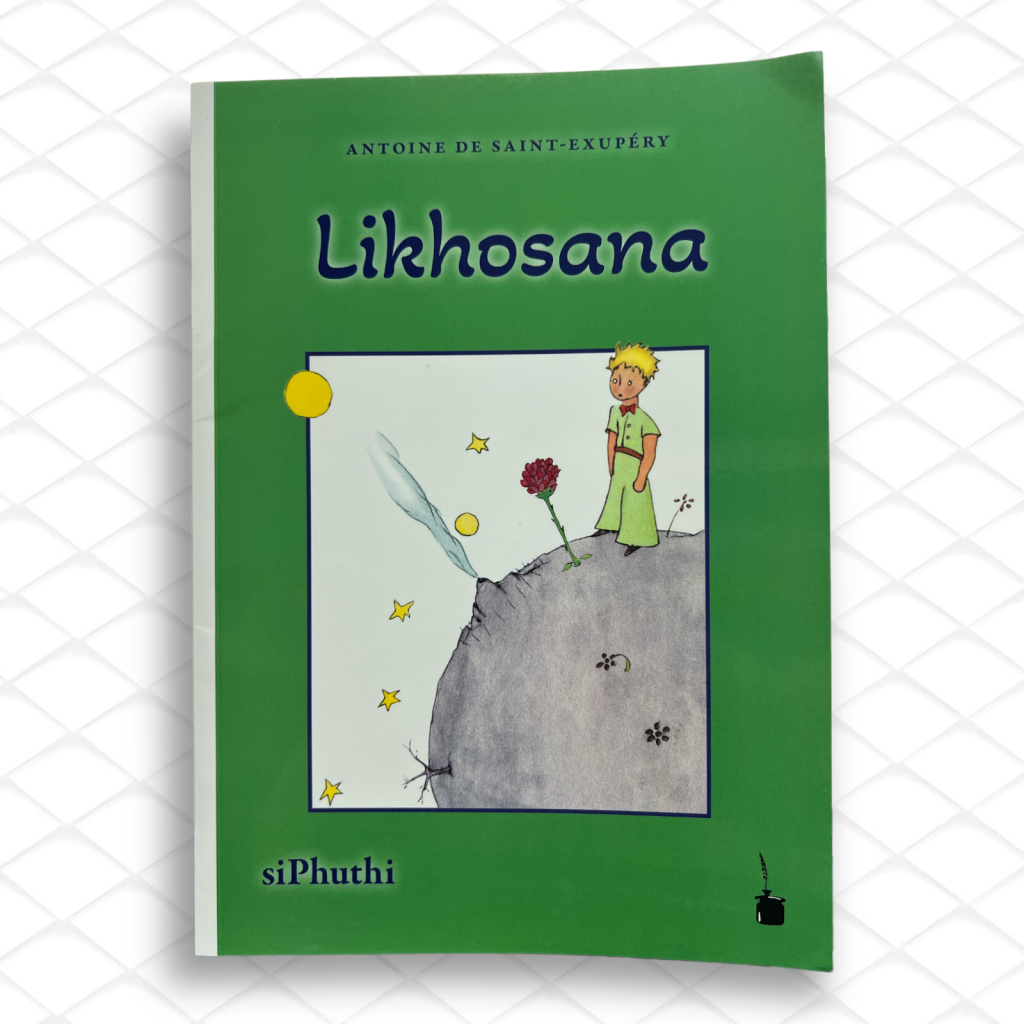
Likhosana — in Siphuthi.
Síphùthì, as the Phuthi call their own tongue, belongs genetically to the Nguni branch of the Bantu family, in the Tekela Nguni group alongside Swati, its nearest living relative. Yet genetics tells only half the story. Centuries pressed between Sesotho speaking neighbours to the north and isiXhosa speakers to the south left Phuthi so thoroughly reworked by both that linguists themselves remain divided over whether to call it Nguni at all, a language whose bones are Swati but whose flesh, in places, is unmistakably Sotho.
The Phuthi people descend from just such a meeting point, tracing ancestry to Swazi, Sotho, Xhosa and eastern San communities who converged in the rugged country now straddling southern Lesotho, around Quthing, Mount Moorosi and Qacha’s Nek, and the neighbouring Eastern Cape districts of Herschel and Matatiele. Absorbed politically into the Basotho kingdom yet never fully assimilated linguistically, the Phuthi kept a hybrid identity of their own, visible even within their own speech community, where the Mpapa dialect leans towards Sesotho and the Sigxodo dialect leans instead towards Xhosa, two faces of the same small nation shaped by whichever powerful neighbour pressed closest.
Phonologically Phuthi still carries the Nguni signature of click consonants, at three points of articulation and four manners of release, though a noticeably smaller set than found in Zulu or Swati, evidence of long attrition under non click speaking neighbours. Far stranger is its vowel system, nine vowels including superclose vowels borrowed wholesale from Sesotho sitting alongside inherited Nguni vowels, governed by two vowel harmony patterns running in opposite directions across the same word at once, a combination linguists studying Phuthi describe as unknown anywhere else in Bantu. Stranger still, breathy voiced depressor consonants, which elsewhere merely colour tone, have in Phuthi been pressed into full grammatical service within the copula and possessive prefixes, an apparently unique grammaticalisation of pure vocal quality that turns a small, endangered tongue of barely twenty thousand speakers, tucked into one of Bantu Africa’s least visible frontiers, into one of its most quietly remarkable.